
Ground‑to‑air sensing
Sentirox works on the detection, tracking and classification of air targets using ground-based FMCW radar and RF sensors.
Targets flying at low altitude with a small radar cross-section can fall within the coverage gaps of conventional air surveillance systems. Early and reliable detection of such targets, for the protection of sites, units and convoys, is the role of short-range ground-based sensors, which must discriminate the target from ground clutter, birds and weather returns.
In its ground‑to‑air work, Sentirox considers the sensor in the context of its intended site, the expected target types and the environmental conditions. Detection range and probability of detection, update rate, angular accuracy and false alarm rate are agreed with the user at the start of the design.
Focus areas
Low-altitude target detection
Designing the waveform, elevation antenna pattern and clutter suppression together to detect low-altitude targets under ground clutter and multipath. Doppler processing separates stationary clutter from moving targets; constant false alarm rate (CFAR) detection keeps the false alarm rate under control as clutter and noise levels vary.
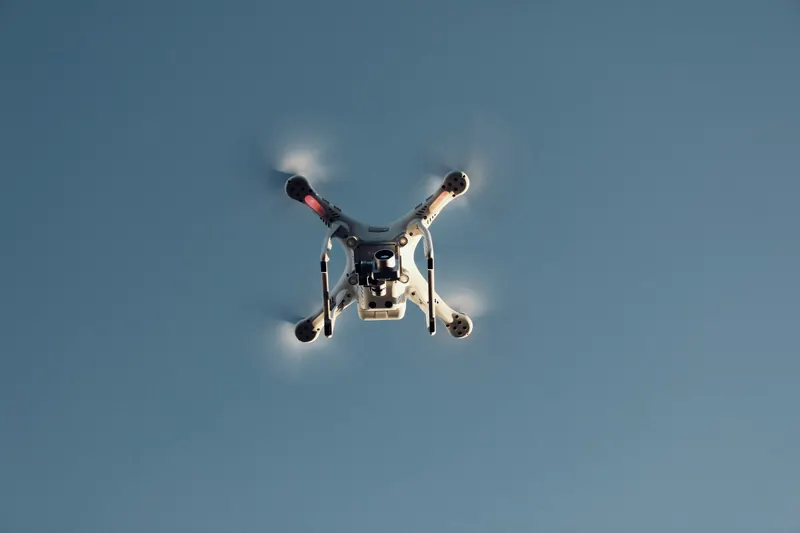
Small UAV detection and classification
Distinguishing small, slow or hovering (near-zero Doppler) UAVs from birds and other clutter sources, with classification approaches based on measurable features such as micro-Doppler signature and motion pattern. Classification results are reported with a confidence level.
Target tracking
Forming tracks from detections, track initiation and termination rules, and maintaining track separation in multi-target environments. Kalman filters are tuned to the manoeuvring capability of the target.
Site and convoy protection sensors
Short-range air surveillance sensors for fixed sites, temporary positions and convoys. Rapid set-up and low power consumption are the defining requirements of these scenarios; for convoy protection, the platform-motion compensation requirements of operation on the move are being studied.
Passive RF sensing
Detection and direction finding of UAV command and control and video link emissions. Passive detections are fused with radar data to raise detection confidence.
Coverage and siting analysis
Coverage calculations based on the terrain and obstacles at the deployment site, and siting multiple sensors so that their coverage areas complement one another. Sensor data is delivered to the user’s command and control (C2) and display systems over defined interfaces.
Test, verification and qualification
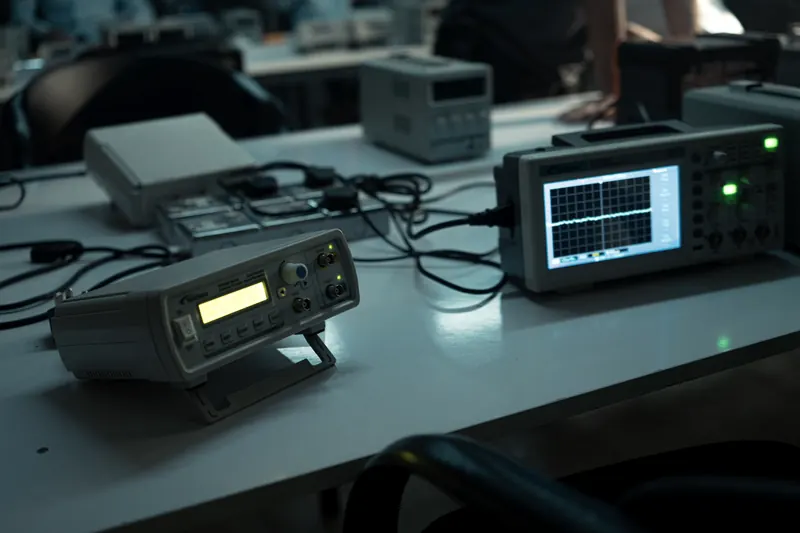
Ground‑to‑air sensors are first measured in the laboratory at sub-unit level; receiver sensitivity, antenna pattern and the signal processing chain are verified with known signals and recorded data.
In field trials, detection range, track continuity and false alarm rate are measured with cooperative targets whose position and speed are known from an independent source such as a GNSS log. Recordings taken in different terrain, weather and clutter conditions allow the algorithms to be developed in a replay environment.
Environmental and electromagnetic compatibility tests are planned in accordance with the military standards required by the deployment environment and carried out at accredited test laboratories. Test reports are kept in the sensor’s configuration file.
Other business areas


Contact
Sentirox can be reached by email for corporate matters, collaboration enquiries and job applications.